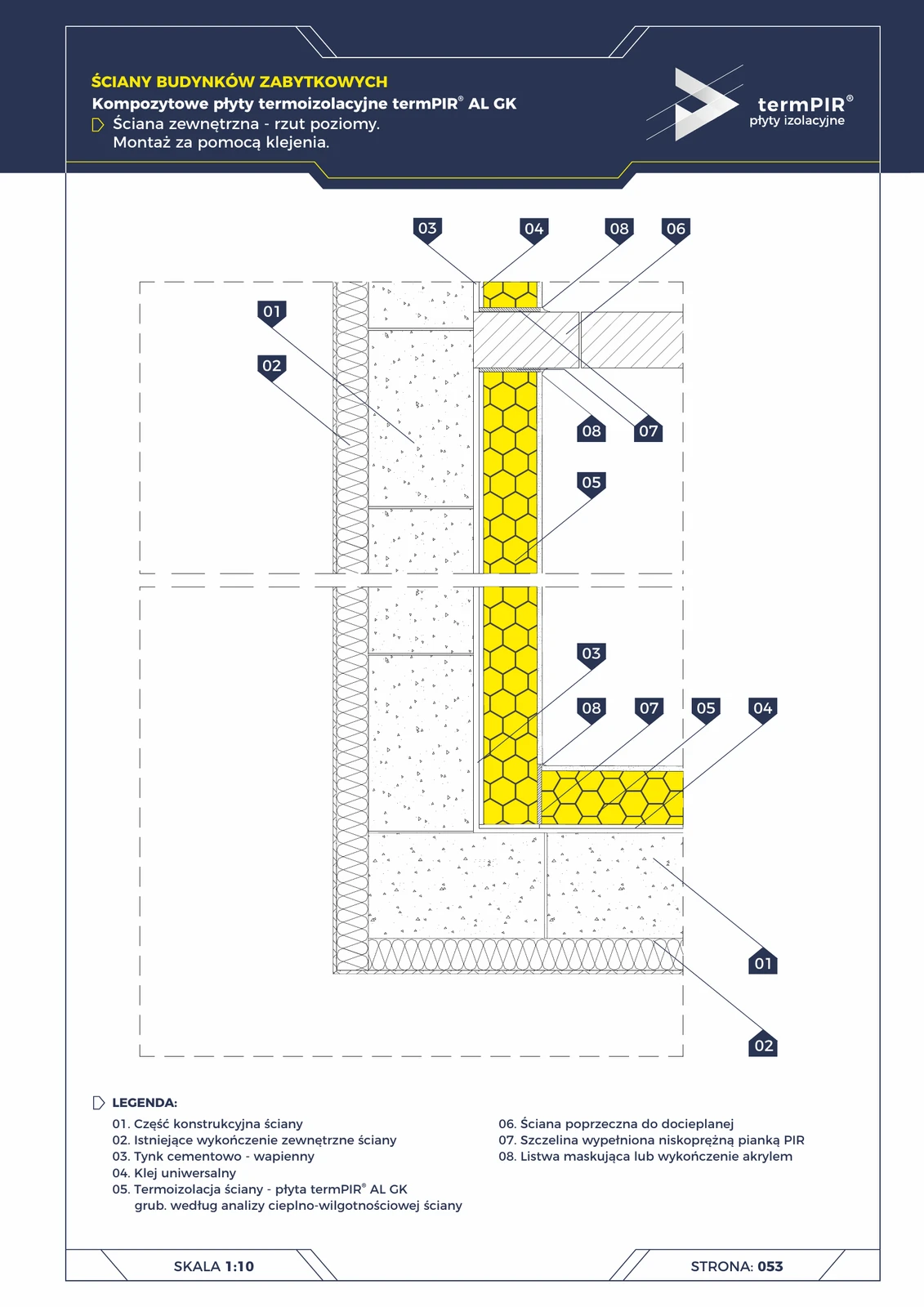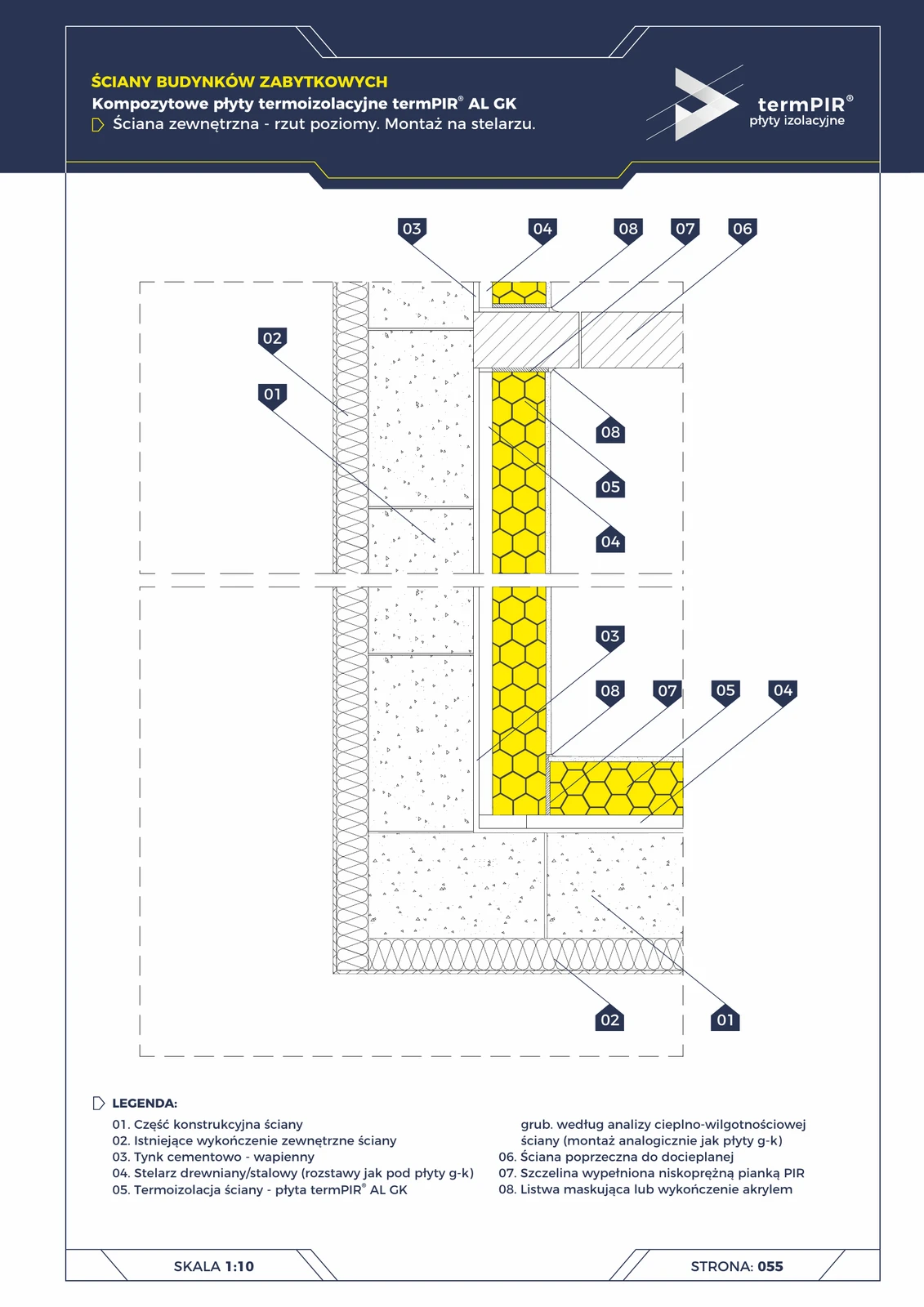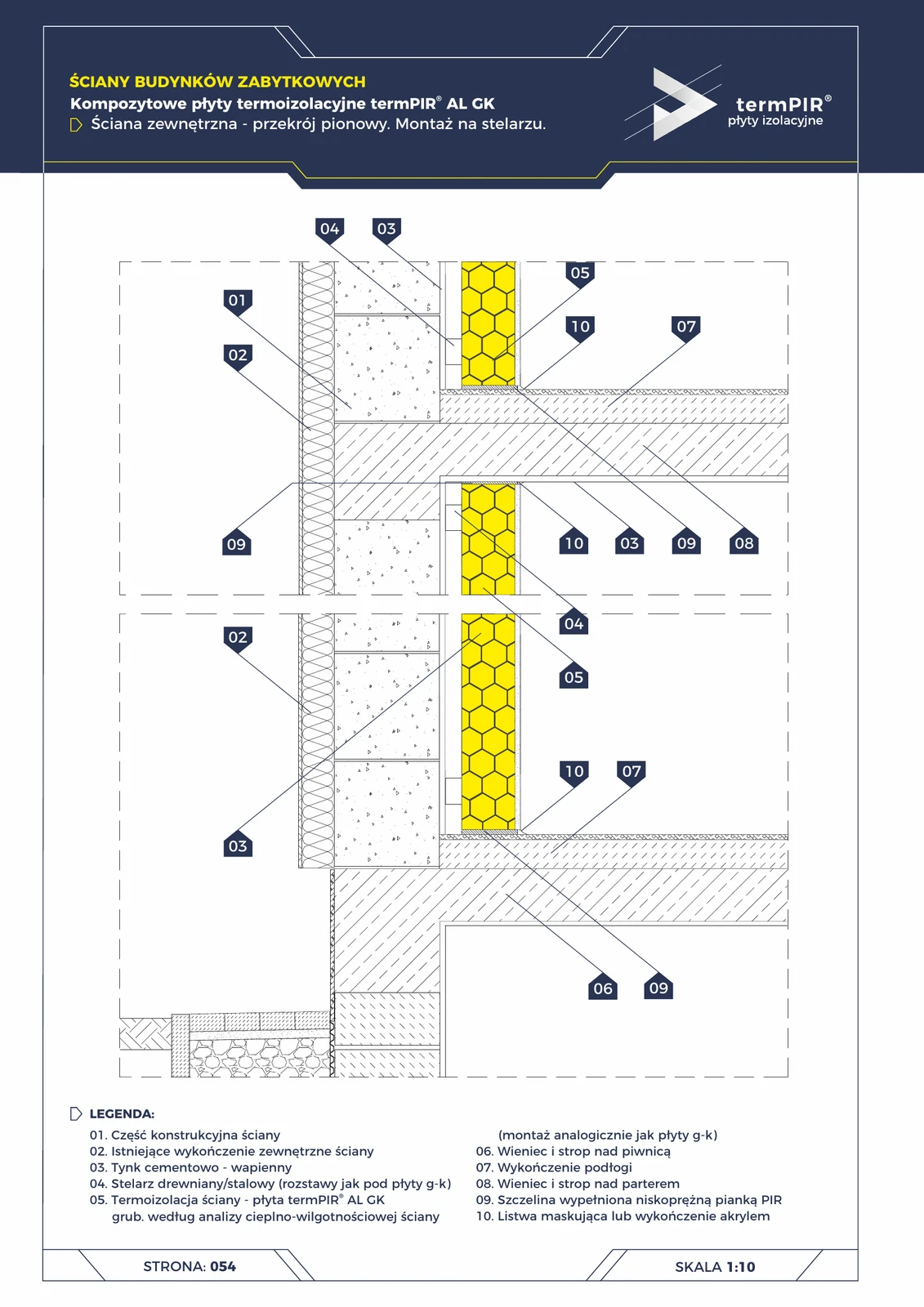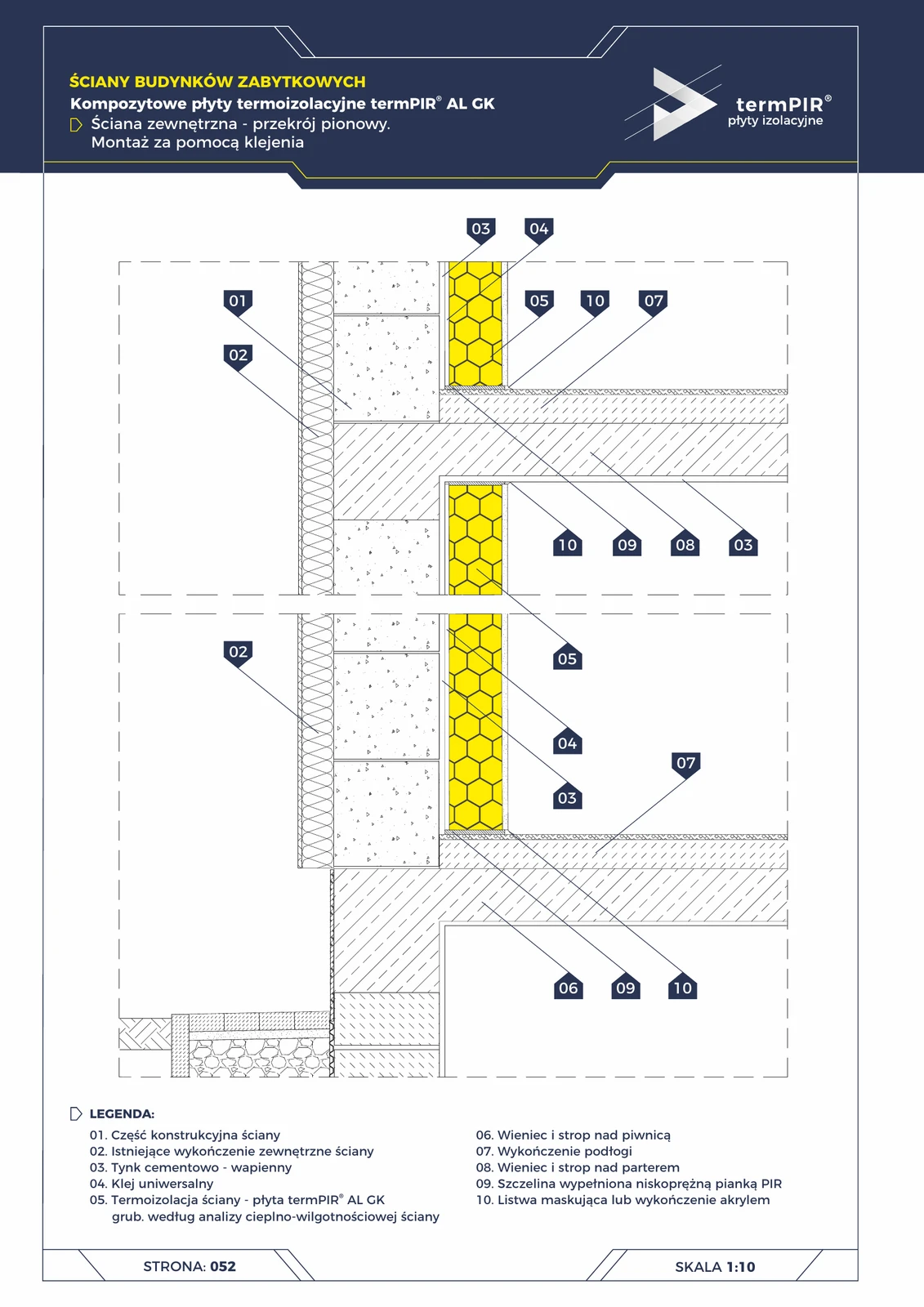
When to use this system
Insulating from the inside of a building is a solution reserved for:
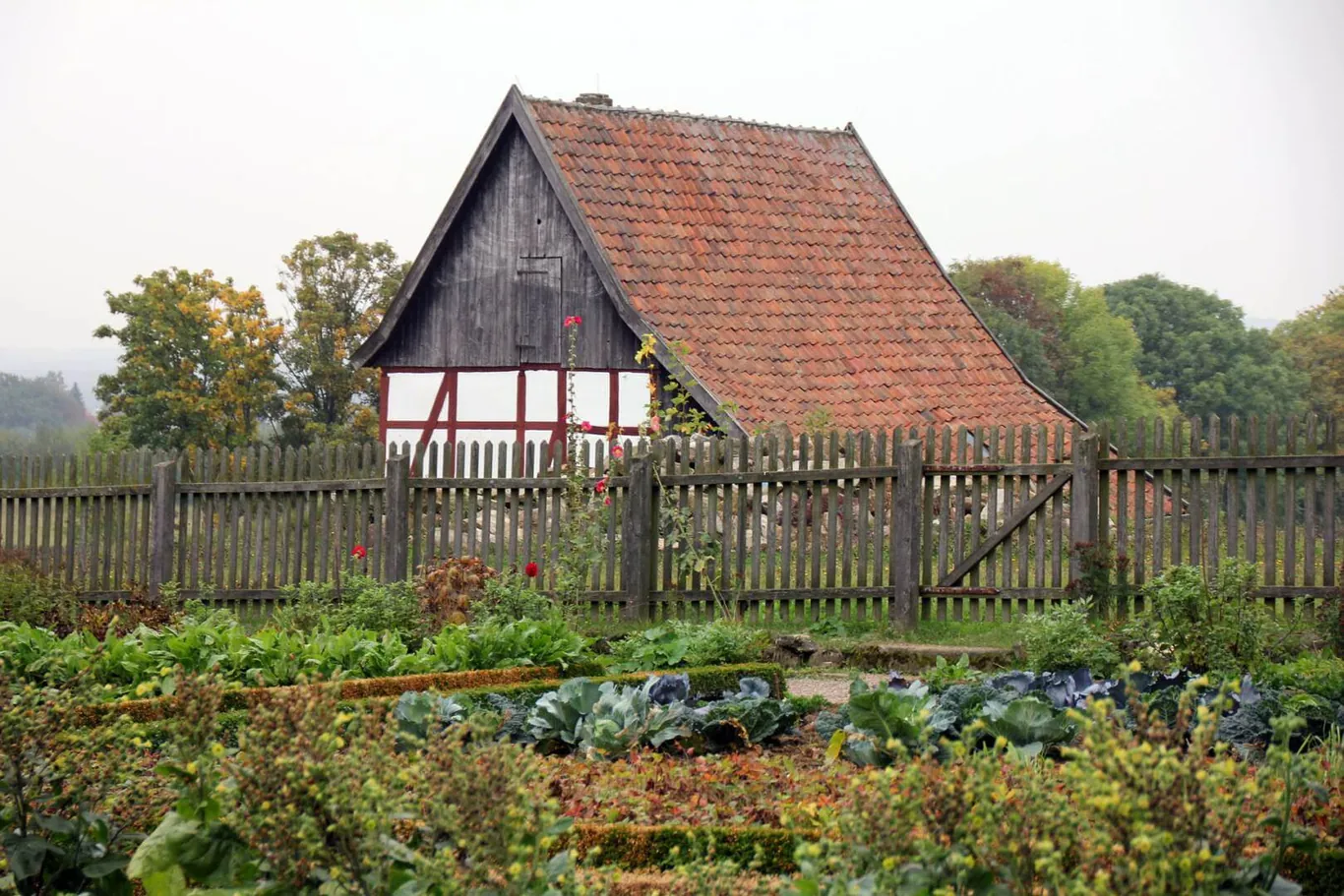
- Heritage buildings protected by the regional conservation officer — where facade details (cornices, pilasters, ornaments, original clinker brick) cannot be covered by external insulation.
- Tenement houses in historic centres — where the local zoning plan (MPZP) requires preservation of the original facade appearance.
- Thermal upgrades of party walls — where a building adjoins a neighbouring one on the property line, with no option to insulate from outside.
- Staircases and corridors — where external insulation would be economically unjustified (small wall area).
Why AL GK
termPIR® AL GK is a composite of PIR + plasterboard in a single production step:
- Time savings — eliminates the step of installing separate plasterboard on a frame. After bonding PIR-AL-GK to the wall → joint filling → painting. 3 days instead of 7–10 for traditional technology.
- Low final thickness — 30–110 mm of total insulation + finish (vs 60+ mm of mineral wool + 12.5 mm plasterboard + frame = ~100 mm minimum).
- Class F in internal use — plasterboard acts as a protective layer from the fire safety perspective.
Critical requirements — hygrothermal analysis
WARNING: internal insulation increases the risk of condensation within the external wall (the dew point shifts to the colder side of the masonry, where moisture may occur).
A hygrothermal analysis of the wall is required before selecting the thickness:
| termPIR® AL GK thickness | Risk of condensation in masonry |
|---|---|
| 30–50 mm | low — occasional drying is sufficient |
| 60–80 mm | medium — auxiliary vapour barrier required |
| 100–110 mm | high — continuous PE vapour barrier + Glaser analysis required |
For historic brick masonry — we typically select 60–80 mm as a compromise between insulating performance and the risk of wall dampness.
Installation requirements
- Seasoning of the existing wall — before insulating, the masonry must be dry (moisture content < 4%). Measure with a moisture meter.
- Substrate levelling — cement-lime plaster, deviations ≤ 5 mm over 2 m. Protruding elements (anchors, cables) must be filled flush.
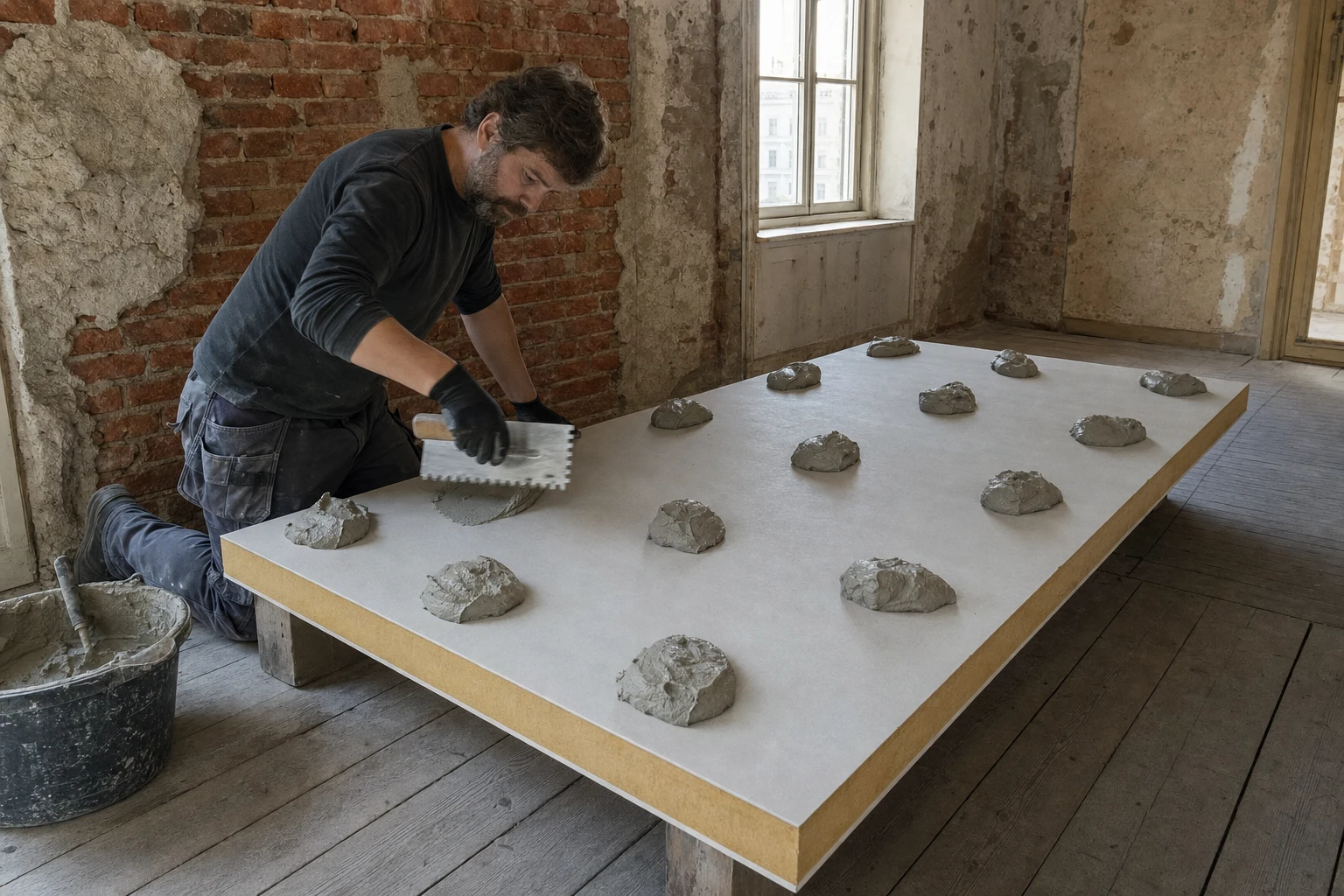
- Bonding — universal adhesive in 14 dabs per board + perimeter strip (min. 40% of surface). Apply adhesive only on a dry wall.
- Gap from the floor — 10 mm absolutely required (protection against capillary moisture rising from the floor).
- Joints ≥ 5 mm to be filled with PIR assembly foam (chemical compatibility with the core); joints < 5 mm — expansion tape.
- Joint finishing after 7–14 days — time needed for adhesive and foam to stabilise.
Frame-mounted variant
For highly uneven or damp walls, an alternative is the frame-mounted variant (separate system) — metal frame + separate PIR board + separate plasterboard. Less time-efficient, but allows ventilation of the cavity behind the insulation.
Technical documentation
termPIR® Catalogue — Residential Buildings (Gór-Stal, 2022-04-26, pp. 50–52). Class F for the PIR core; final system class per finish (typically non-flammable and non-dripping in ceiling/wall applications with plasterboard).
Layer composition
| # | Layer | Thickness | λ | Role |
|---|---|---|---|---|
| 1 | Existing structural part of the wall | — | — | load-bearing structure |
| 2 | Existing external finish (preserved) | — | — | historic facade — no interference |
| 3 | Cement-lime plaster (internal levelling) | — | — | substrate for adhesive bonding |
| 4 | Universal adhesive (14 dabs + perimeter strip) | — | — | adhesive fixing, min. 40% of surface |
| 5 | termPIR® AL GK | 30–110 mm | 0,022 W/(m·K) | thermal insulation with ready plasterboard finish |
U-value by insulation thickness
| termPIR® thickness | U [W/m²·K] | Meets WT 2021 (roof U ≤ 0.15) |
|---|---|---|
| 30 mm | 0,66 | — no |
| 40 mm | 0,50 | — no |
| 50 mm | 0,40 | — no |
| 60 mm | 0,34 | — no |
| 80 mm | 0,26 | — no |
| 100 mm | 0,21 | — no |
| 110 mm | 0,19 | — no |