Smog in Kraków 2024 — AGH study and the role of thermal upgrades | BOKKA
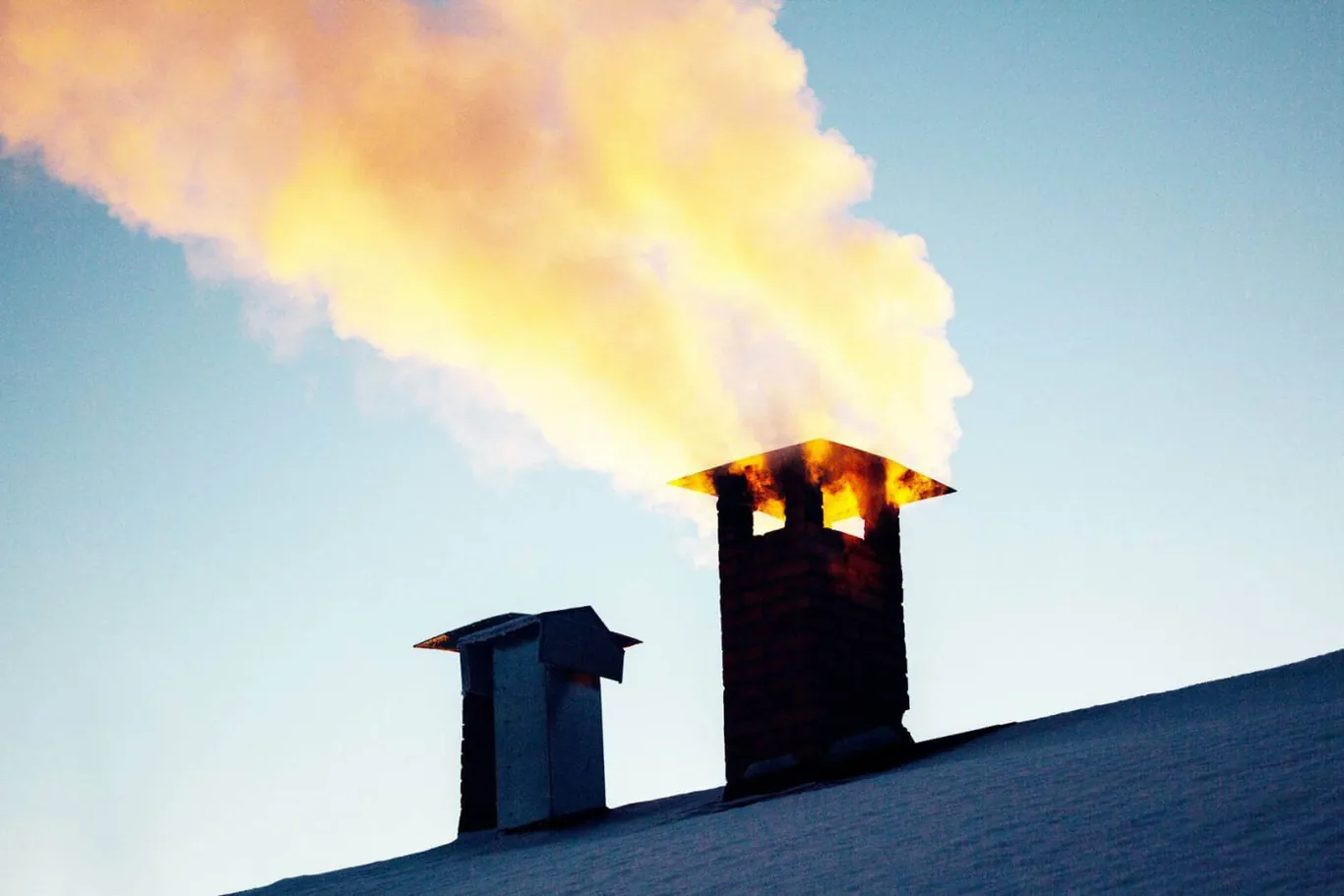
Kraków is winning the fight against smog — AGH study confirms the effectiveness of the anti-smog act
A study commissioned by Krakowski Alarm Smogowy (Kraków Smog Alert) and carried out by researchers from the AGH University of Science and Technology delivers hard data: the anti-smog act in force in Kraków since 1 September 2019 has genuinely reduced concentrations of particulate matter and benzo(a)pyrene. However, the fight for clean air is not only about fuel regulations — it is also about the energy efficiency of buildings. Thermal upgrades using PIR insulation boards with low λD directly reduce the demand for thermal energy, and consequently the emission of dust from fireplaces, coal-fired boilers and gas peak-load sources.
What did the AGH study reveal?
The analysis was carried out by Prof. Piotr Kleczkowski and Katarzyna Kotarba, M.Sc.Eng., of AGH. They compared data from measurement stations in Kraków and the Małopolska region over a multi-year horizon covering the introduction of the anti-smog act.
| Indicator | Period | Kraków | Małopolska |
|---|---|---|---|
| PM10 (particulate matter) | 2012/13 → 2019/20 | -45.42% | -28.73% |
| PM2.5 (fine particulate matter) | 2012/13 → 2019/20 | -43.76% | -32.15% |
| Benzo(a)pyrene (B(a)P) | 2014/15 → 2019/20 | -42.82% | +14.41% |
Particularly significant is the drop in benzo(a)pyrene concentrations — a carcinogenic polycyclic aromatic hydrocarbon (PAH) that damages the adrenal glands, liver, cardiovascular and immune systems. While Kraków itself recorded a decrease of over 42%, concentrations across the region increased by more than 14% over the same period. This is direct evidence that limiting the burning of solid fuels works locally and on a targeted basis.
According to estimates, around 1,800 active coal-fired stoves still remain in the city — still a source of low-stack emissions, but their number has decreased twentyfold over the past decade.
The “Kraków doughnut” — limits to the act’s effectiveness
Kraków lies in a basin surrounded by higher-altitude municipalities forming the so-called “Kraków doughnut”. The anti-smog act does not cover these areas, and pollutants from individual stoves in the surrounding municipalities are transported by air masses into the city centre, especially under thermal inversion conditions.
For this reason, reducing the energy demand of buildings — both in Kraków and in the neighbouring municipalities — remains a key, long-term tool for protecting air quality. The lower the heat losses through building envelopes, the less fuel is fed into boilers, regardless of their type.
WT 2021 and the role of PIR insulation in emission reduction
The Technical Conditions in force since 1 January 2021 (WT 2021 — Polish Technical Conditions 2021) tightened the requirements for the heat transfer coefficient U for building envelopes:
| Building envelope | U max per WT 2021 |
|---|---|
| Roof / flat roof | 0.15 W/m²K |
| External wall | 0.20 W/m²K |
| Floor slab over an unheated basement/garage | 0.25 W/m²K |
| Ground-bearing floor | 0.30 W/m²K |
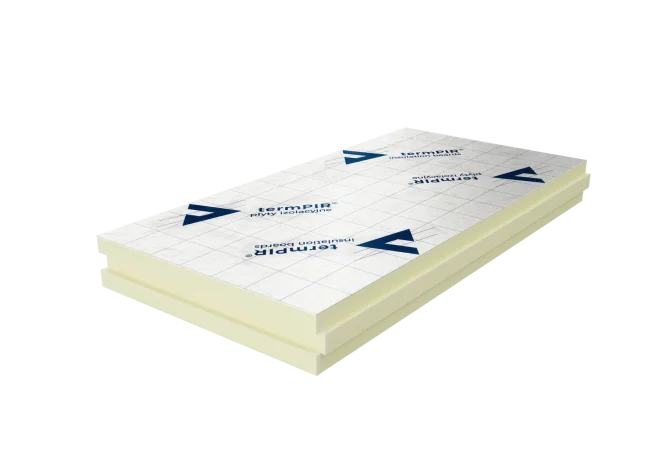
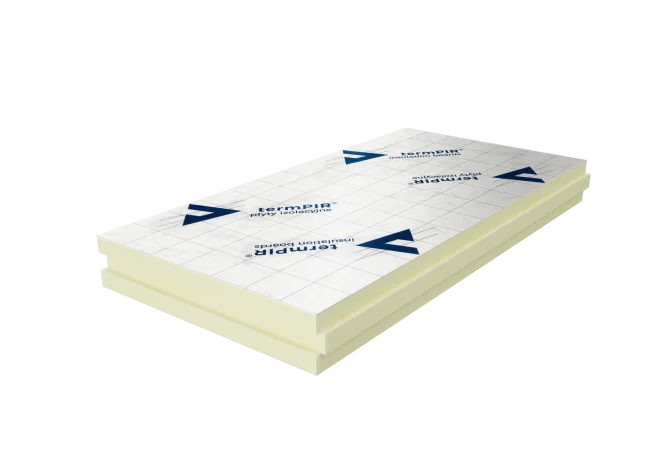
PIR insulation boards with λD = 0.022 W/(m·K) — such as termPIR® AL — make it possible to achieve these values at a significantly smaller thickness than mineral wool (λ ~ 0.035–0.040) or EPS (λ ~ 0.031–0.038).
Example: ETICS external wall
To achieve U ≤ 0.20 W/m²K in a typical wall built of ceramic blocks, you need:
- ~18 cm of mineral wool (λ 0.036)
- ~16 cm of facade EPS (λ 0.031)
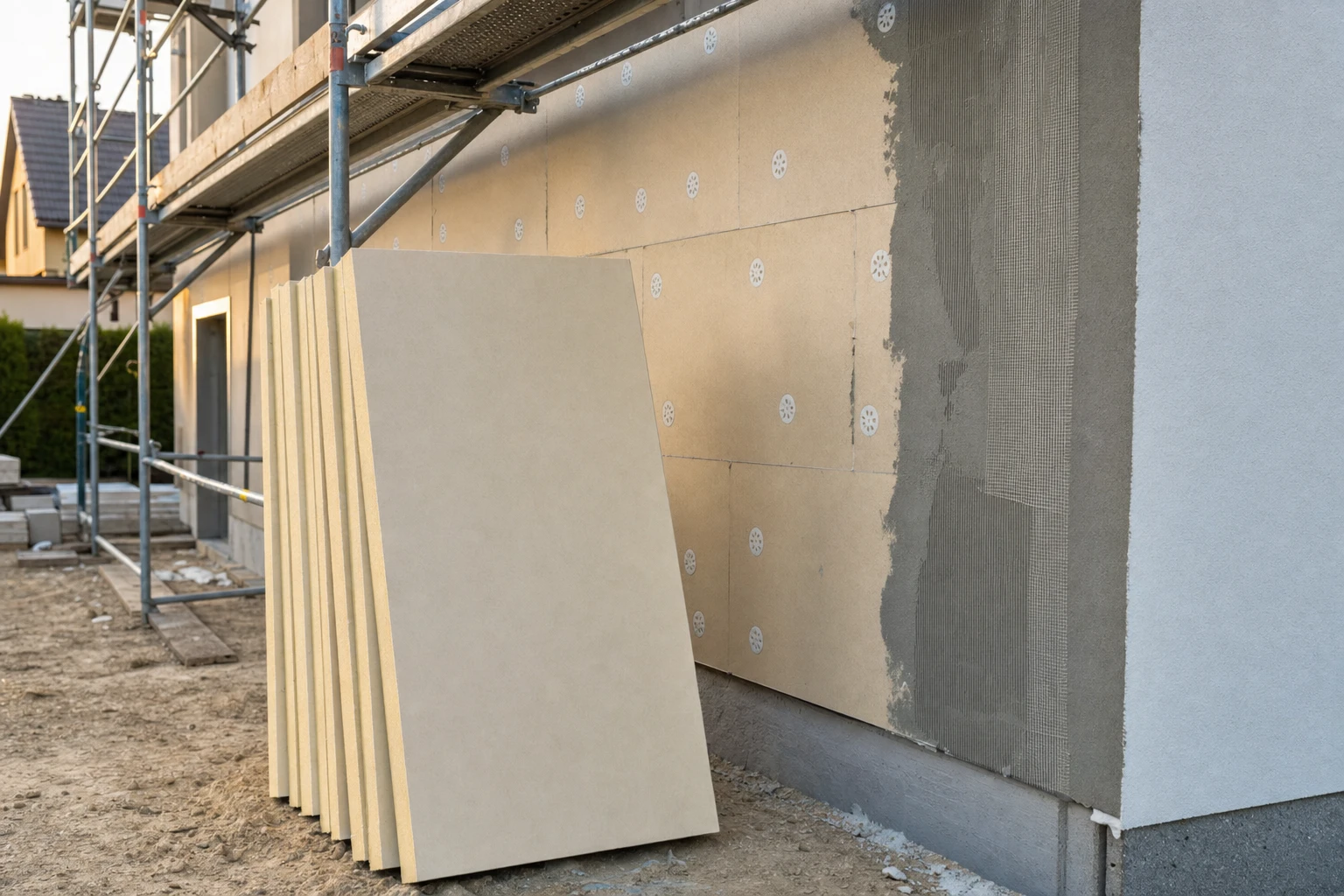
- ~10 cm of termPIR® ETX (λD 0.025–0.027) — a vapour-permeable board with a glass fleece facing, dedicated to ETICS on the basis of ETA 17/0066
A smaller insulation thickness in the ETICS with termPIR® ETX system means shorter anchors, narrower reveals and less intervention into architectural detailing — which is particularly relevant when modernising Kraków’s existing building stock.
Thermal upgrade of Kraków’s heritage buildings
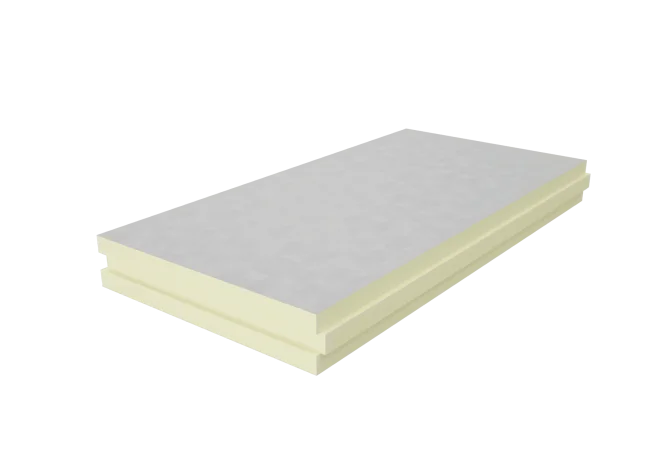
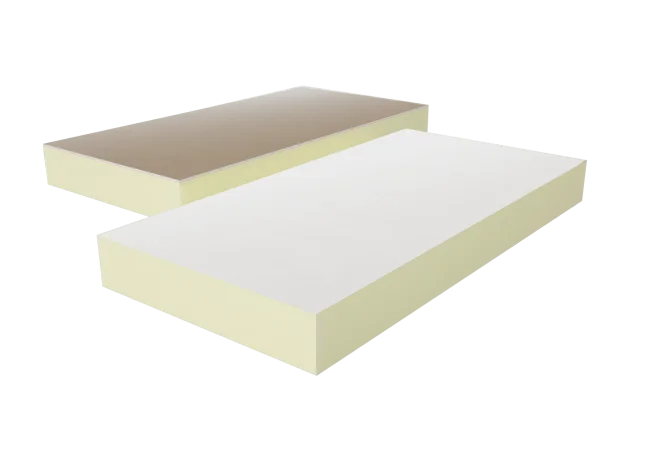
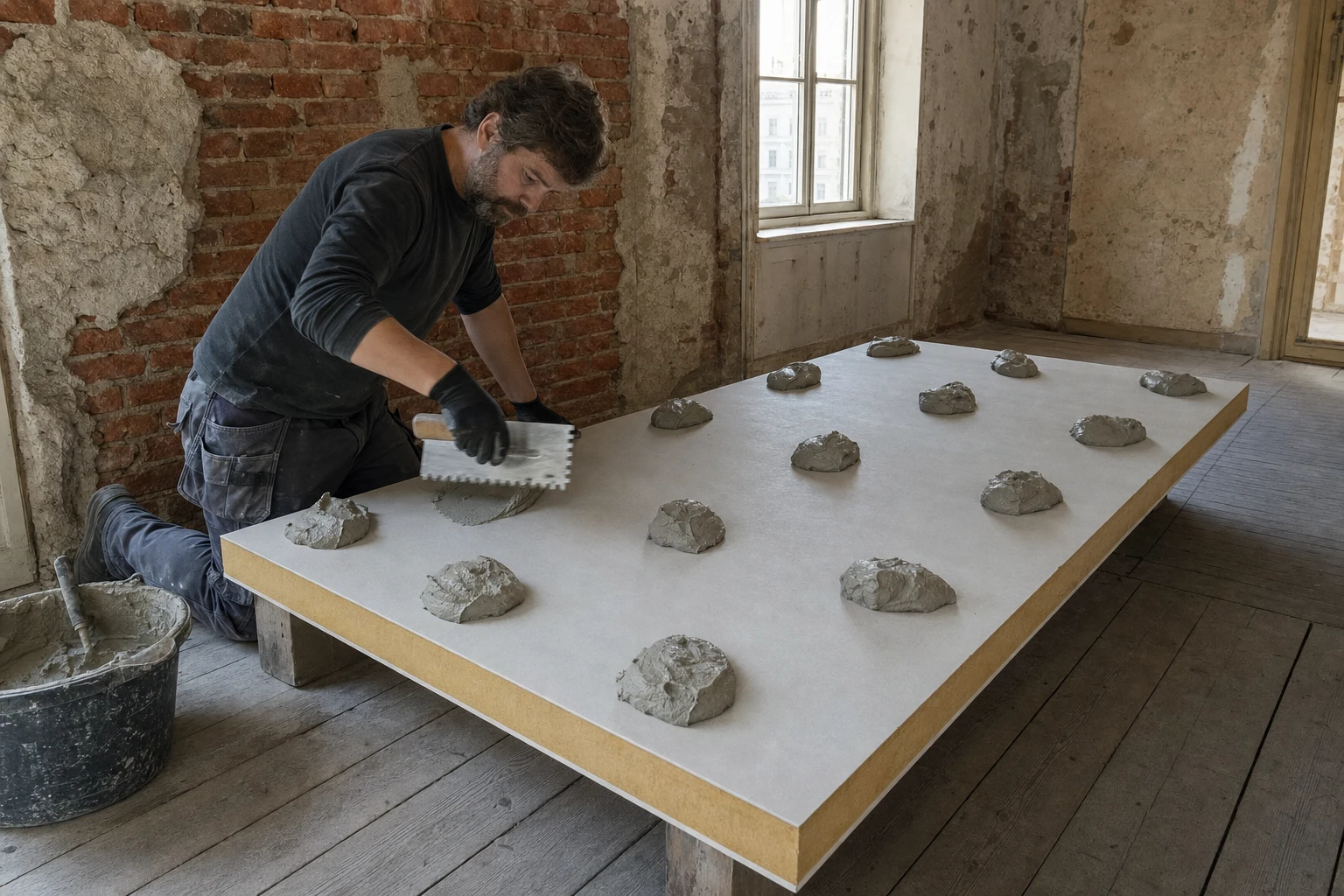
Old Town, Kazimierz, Podgórze — these are districts where external insulation is often impossible due to facade protection. The solution for buildings under conservator supervision is internal insulation using the termPIR® AL/GK composite — a PIR insulation board with a gas-tight aluminium facing, factory-bonded to gypsum plasterboard.
The internal insulation system termPIR® AL/GK simultaneously provides a vapour barrier function (Al foil) and a ready substrate for painting, eliminating the risk of interlayer condensation typical of incorrectly executed internal insulation.
Pitched roofs and tenement buildings — where most heat is lost
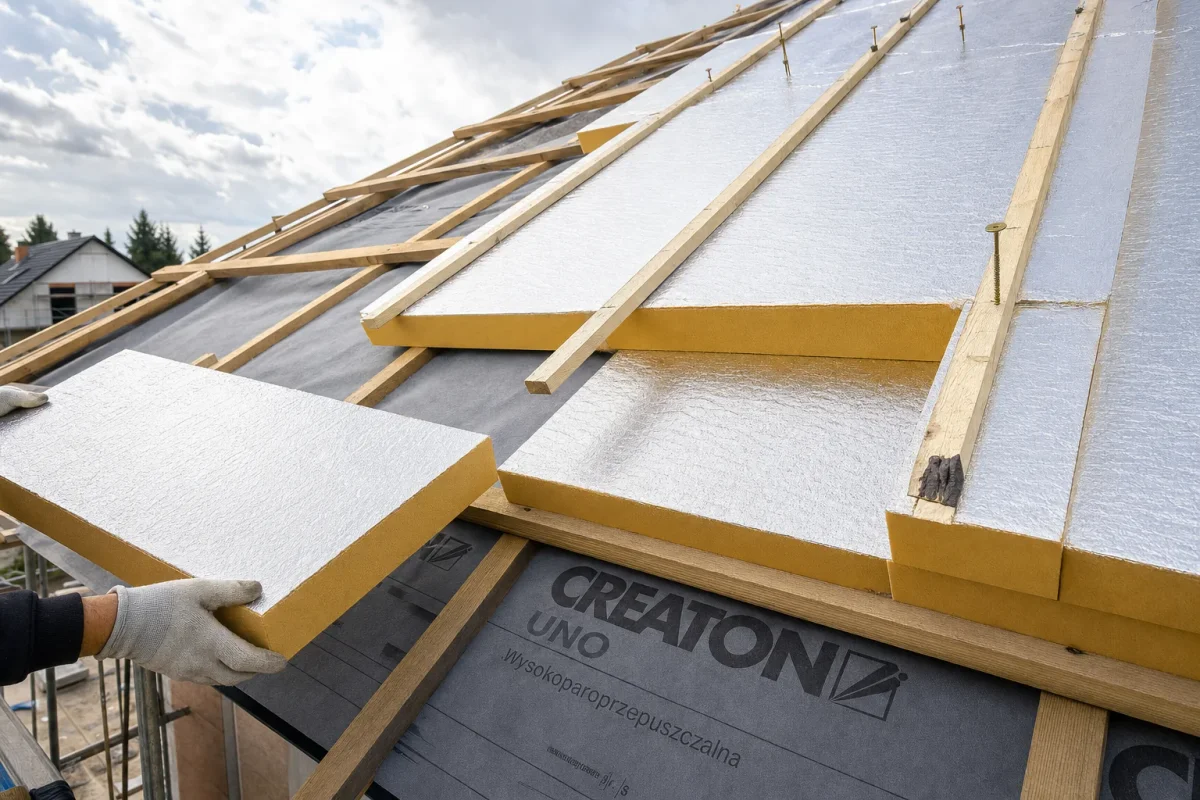
In Kraków’s tenement buildings, uninsulated roofs and flat roofs account for as much as 25–30% of heat losses. The use of termPIR® AL over-rafter installation eliminates thermal bridges on the rafters and makes it possible to achieve U ≤ 0.15 W/m²K at a thickness of ~14–16 cm.
In projects with particularly high energy requirements (passive buildings, plus-energy buildings), it is worth considering the premium variant termPIR® MAX 19 AL with λD 0.019 W/(m·K) — the lowest on the market for PIR boards.
Frequently asked questions
How does a thermal upgrade contribute to smog reduction?
Do PIR insulation boards help meet the WT 2021 requirements?
Which PIR board should be used for ETICS, and which for a pitched roof?
Are PIR insulation boards fire-safe?
Are thermal upgrades in Kraków eligible for funding?
Related products and systems
Products
Read next

Energy Retrofit with PIR Boards and WT 2021 in Practice | BOKKA
Silesia Anti-Smog Resolution and PIR Thermal Upgrades | BOKKA
Energy Audit of a Building — Thermal Retrofit with PIR