Insulating a Steel Garage with PIR Boards — B2B Guide | BOKKA
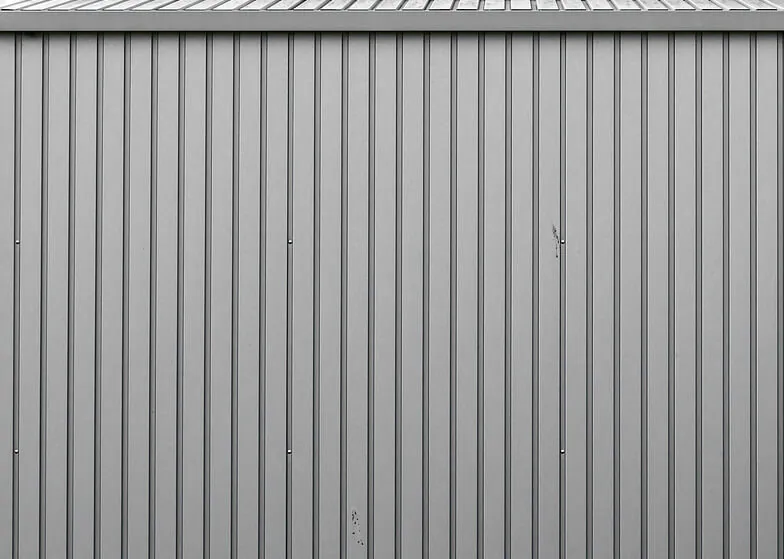
Insulating a steel garage — why thin sheet metal is not enough
A steel garage remains one of the cheapest solutions on the market, but thin, uninsulated trapezoidal sheeting offers virtually no thermal resistance — in winter the interior cools down to the outside temperature within tens of minutes, and in summer the structure works like a furnace. The consequences are iced-up car windows, water vapour condensing on the walls (and corrosion as a result), no comfort while working in the workshop, and the impossibility of maintaining a stable temperature. The solution is thermal insulation with a low lambda — in practice, PIR insulation boards, which deliver the required thermal resistance at minimal thickness, preserving the usable cubature of a small building.
PIR boards vs alternatives — parameter comparison
The key parameter when insulating a steel garage is the thermal conductivity coefficient λD, because it determines the minimum layer thickness needed to achieve the required thermal resistance R. In a space of 15–25 m², where every centimetre of wall thickness affects manoeuvring comfort, the lower the λD, the better.
| Material | λD [W/(m·K)] | Thickness for R = 2.5 m²K/W |
|---|---|---|
| termPIR® MAX 19 AL | 0.019 | ~48 mm |
| termPIR® AL | 0.022 | ~55 mm |
| termPIR® ETX | 0.025–0.027 | ~63–68 mm |
| Mineral wool | 0.036–0.040 | ~90–100 mm |
| EPS polystyrene | 0.031–0.040 | ~78–100 mm |
For a typical steel garage, where the WT 2021 (Polish Technical Conditions 2021) requirements for residential buildings (U ≤ 0.20 W/m²K for external walls) do not apply, a realistic target is R in the range of 2.0–3.0 m²K/W — i.e. thermal comfort with minimal loss of space. PIR boards from the termPIR® line are the optimal choice thanks to their compliance with EN 13165 and the long-term stability of their parameters.
Internal insulation — termPIR® AL with aluminium foil
In a steel garage, internal insulation is most commonly used — it is faster to install, does not interfere with the exterior appearance of the building and does not require an additional façade layer. The recommended product is termPIR® AL with a gas-tight aluminium facing on both sides, which simultaneously acts as a vapour barrier — critically important in an unheated or occasionally heated garage, where the risk of condensation is high.
Recommended installation parameters:
- Thickness: 50–80 mm (depending on the expected thermal comfort)
- Format: 1200×2400 mm or 1200×600 mm
- Edge profile: TAG (tongue-and-groove) eliminates thermal bridges at joints
- Fire reaction class of the system: B-s2,d0 (EN 13501-1)
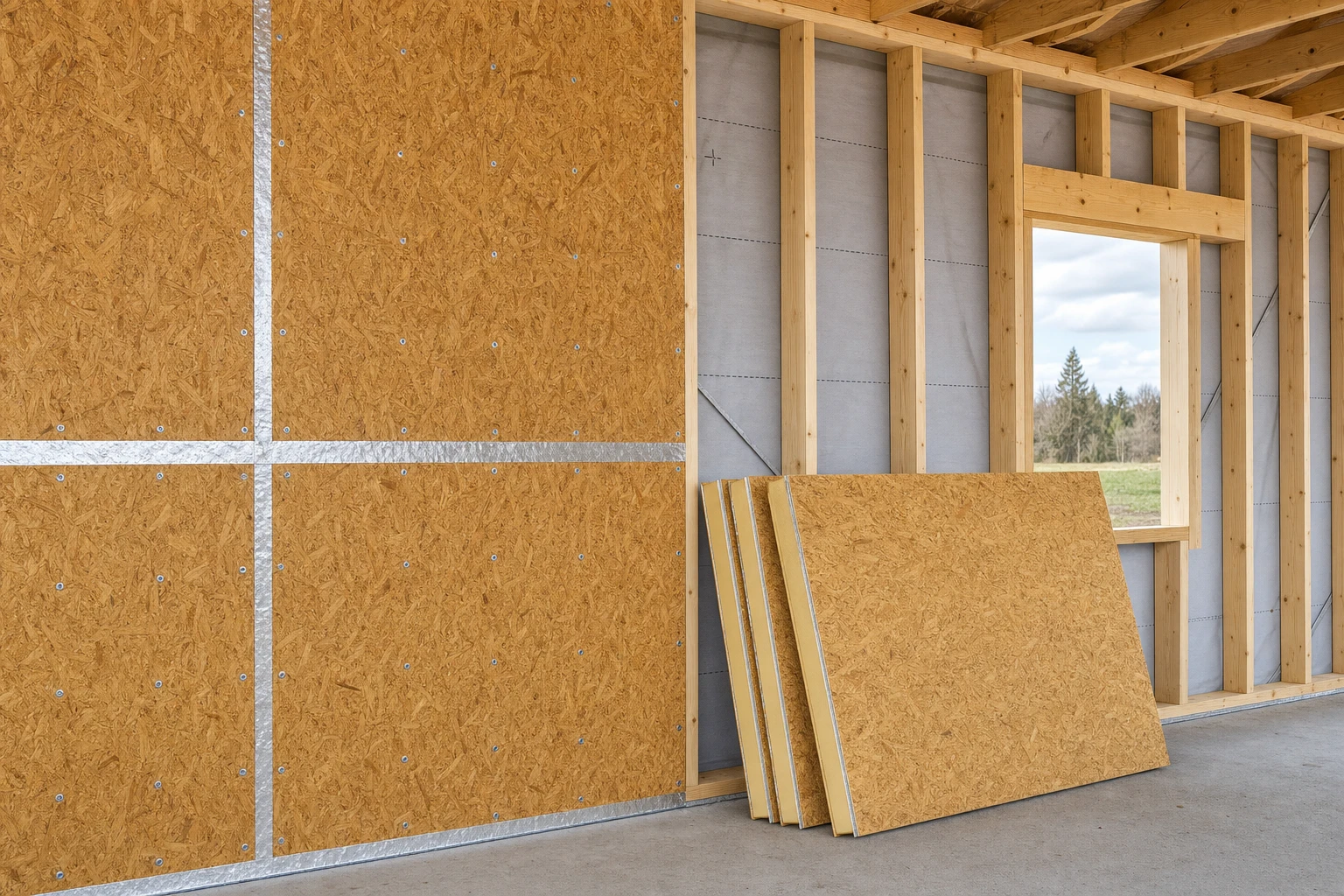
Installation is carried out on a timber or steel hat-section batten frame screwed to the steel structure. The boards are laid tightly together, with joints sealed using aluminium tape to maintain continuity of the Al facing. The internal finish is OSB or gypsum plasterboard (if a fire class is required for the workshop space). For a prefabricated solution — with a ready OSB facing — it is worth considering the termPIR® AL/OSB or termPIR® OSB/AL/OSB composite, which combines insulation with a ready paint-receiving surface.
External insulation — system solutions
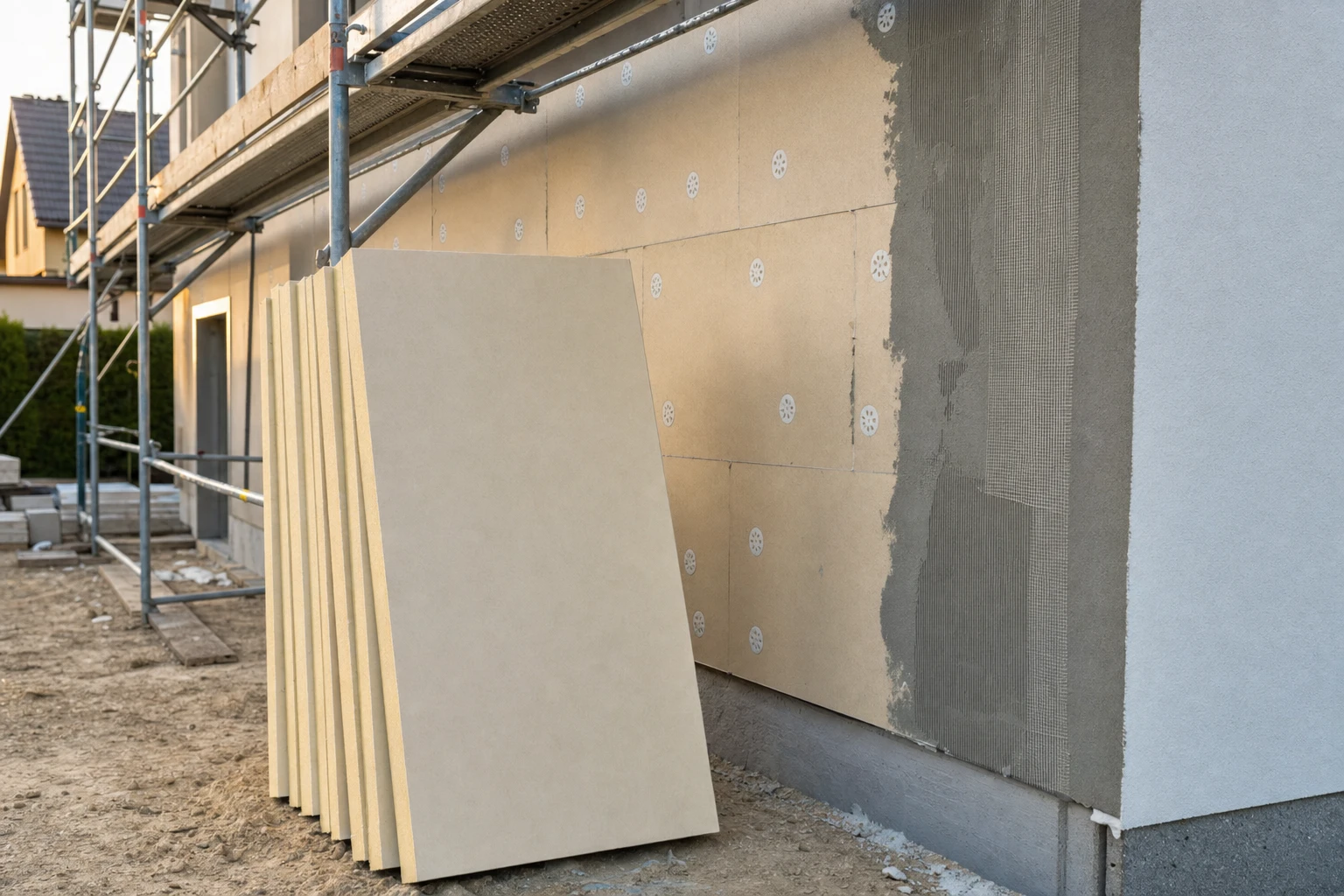
External insulation makes sense when the investor plans a final change of the building’s appearance — e.g. matching it to the main house or finishing with render. Here, termPIR® AL cannot be used (the gas-tight Al foil prevents the correct execution of an ETICS system). The right choice is termPIR® ETX — a board with glass fleece on both sides, holding the European Technical Approval ETA 17/0066 dedicated to ETICS. λD 0.025–0.027 W/(m·K), system fire class B-s2,d0.
An alternative — especially for objects such as carports or larger technical boxes — is to dismantle the trapezoidal sheeting and replace it with a PIR sandwich panel insPIRe® S (visible fastening) or insPIRe® U (concealed fastening, aesthetic façade). A sandwich panel is a ready-made wall element with steel facings and a PIR core — installation is faster than classic layered insulation, and the thermal parameters (U from 0.16 W/m²K at 120 mm) are many times better than thin sheeting.
For the garage roof we similarly recommend insPIRe® D — the roof variant with a load-bearing trapezoid, compliant with EN 14509.
Execution details — what not to overlook
- Room ventilation — airtight insulation requires controlled air exchange (supply/exhaust grilles), otherwise moisture from evaporating snow/mud on the vehicle accumulates in the garage.
- Thermal bridges on the load-bearing structure — angle brackets and steel profiles conduct heat; thermal break inserts or a continuous PIR layer from the inside should be planned.
- Floor slab — often overlooked, yet it generates 20–30% of heat losses. Beneath the screed it is worth laying termPIR® WS (increased moisture resistance), 50–80 mm.
- Garage door — the weakest thermal element. Sensible insulation of walls and roof requires a simultaneous replacement of the door with a sectional model with a PIR/PUR core.
- Sealing — seal PIR board joints with aluminium tape (for termPIR® AL) or low-expansion PUR foam (with FIT/LAP edge profile).
Frequently asked questions
What thickness of PIR board is enough to insulate a steel garage?
Is a PIR board resistant to moisture in a garage?
Can a steel garage be insulated externally with render?
Are PIR boards flammable?
PIR board or sandwich panel — which to choose for a garage?
Related products and systems
Products
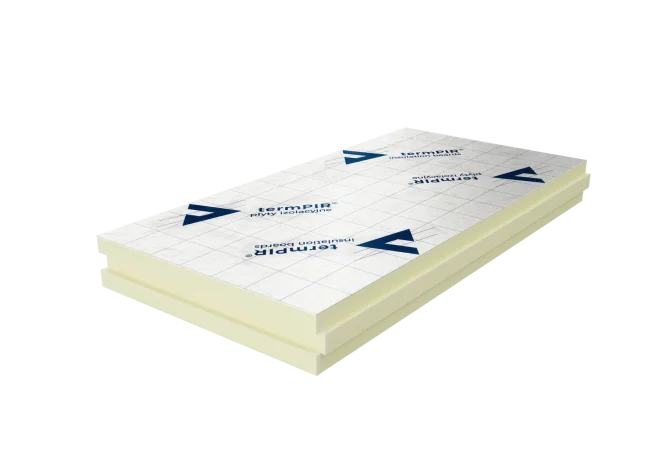
termPIR® AL
Versatile PIR board with gas-tight aluminium facing
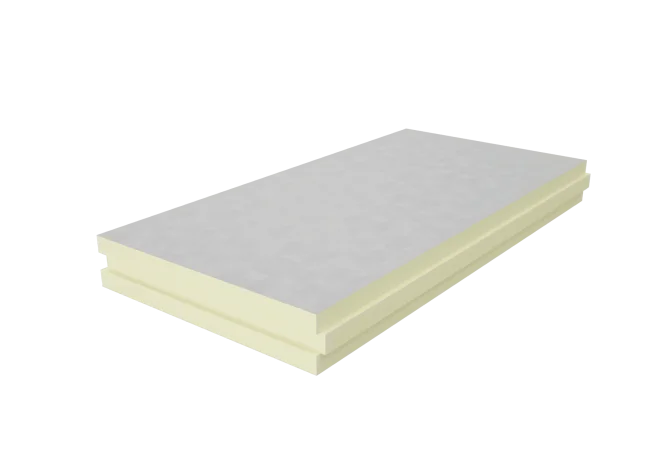
termPIR® ETX
PIR board with glass-fibre tissue for ETICS system
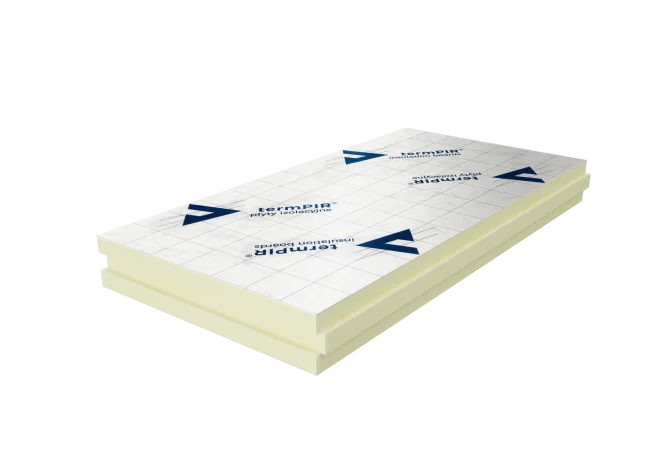
termPIR® MAX 19 AL
PIR board λD 0.019
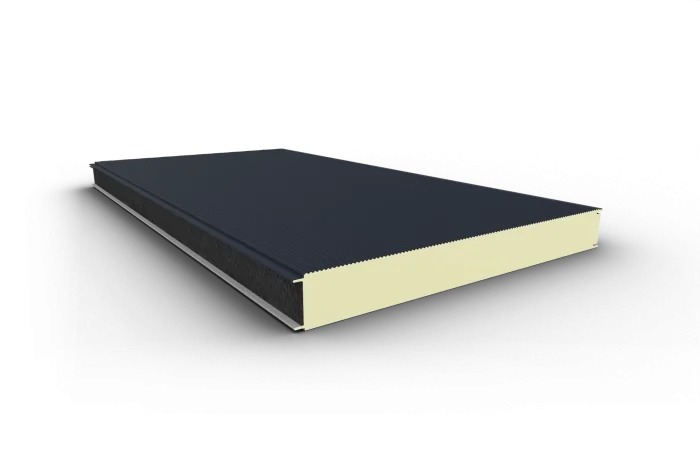
insPIRe® S
PIR wall sandwich panel with exposed fixing (standard lock)
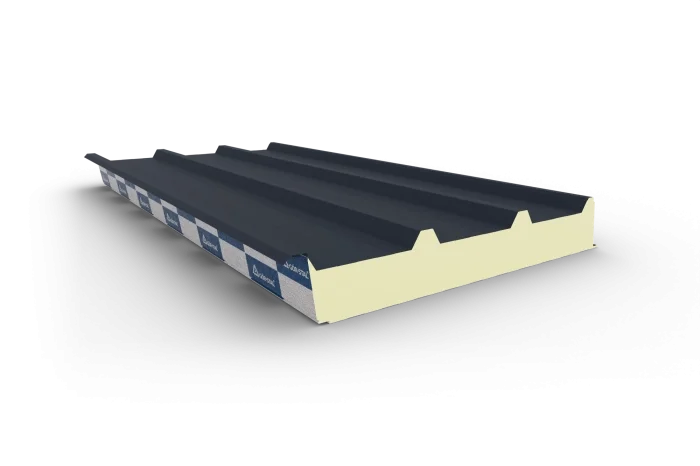
insPIRe® D
Roof PIR sandwich panel with deep external trapezoid
Building systems
Read next

Energy Retrofit with PIR Boards and WT 2021 in Practice | BOKKA
Smog and Allergies — How PIR Thermal Upgrades Cut Emissions | BOKKA

Silesia Anti-Smog Resolution and PIR Thermal Upgrades | BOKKA