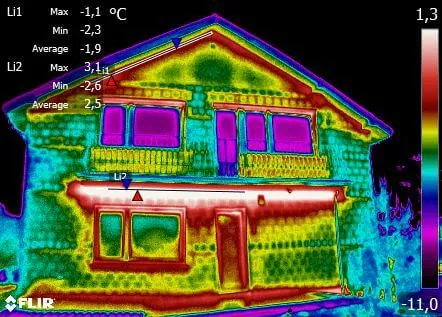
PIR Board Applications — Where Polyurethane Insulation Excels | BOKKA
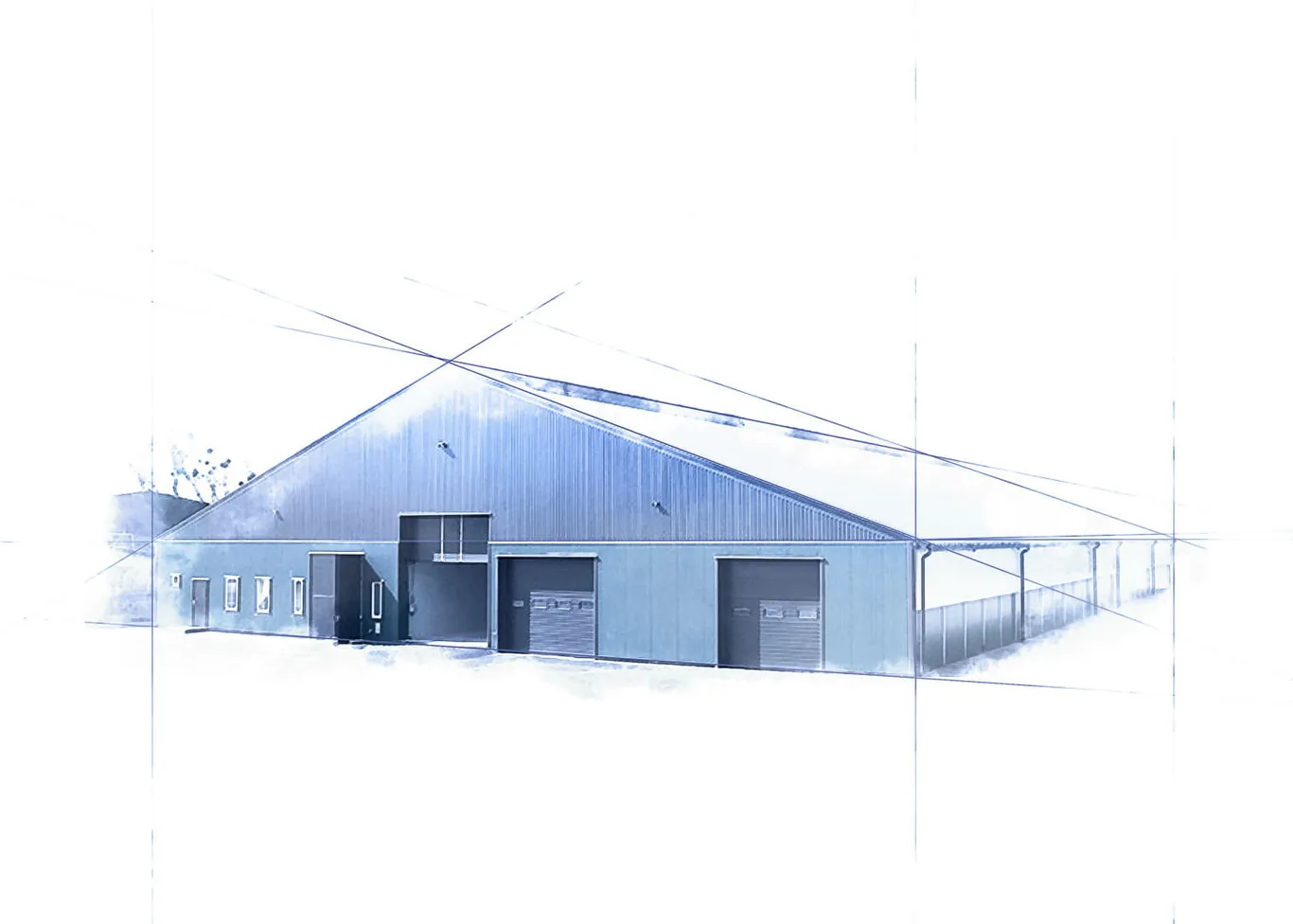
PIR boards — universal insulation with the lowest lambda on the market
Polyisocyanurate (PIR) boards are currently one of the most efficient thermal insulation technologies available in construction. With a thermal conductivity λD from 0.019 to 0.027 W/(m·K), they meet the requirements of WT 2021 (Polish Technical Conditions 2021) (roof U ≤ 0.15 W/m²K, wall U ≤ 0.20 W/m²K) with insulation layer thicknesses up to 30–40% lower than EPS 031 or mineral wool. Their low self-weight, dimensional stability and resistance to moisture and biocorrosion make PIR a fit for single-family homes as well as industrial, agricultural and cold-store facilities. The most important application areas are reviewed below.
Residential construction — roofs, walls, floors, foundations
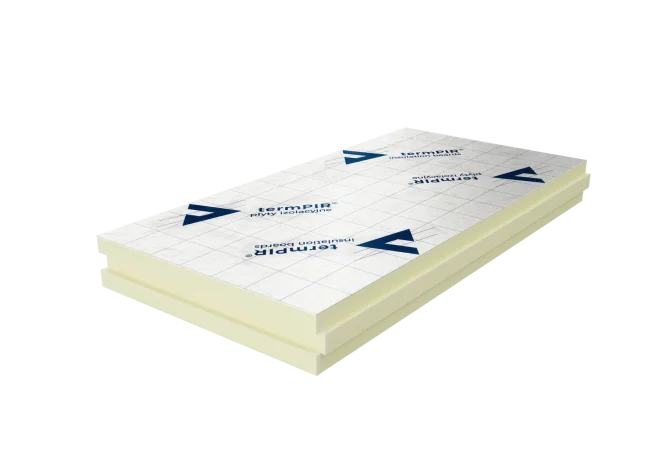
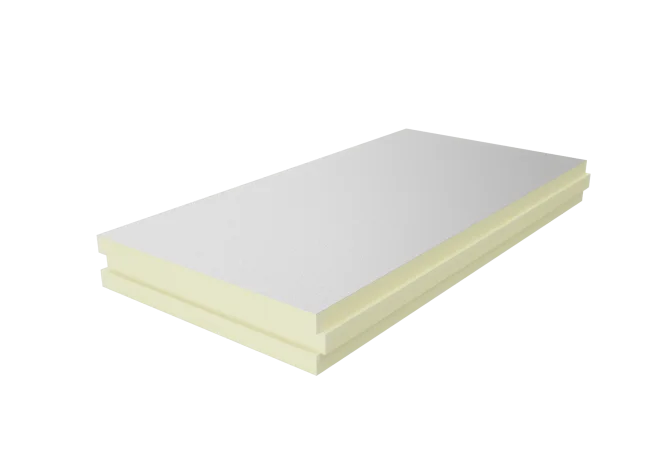
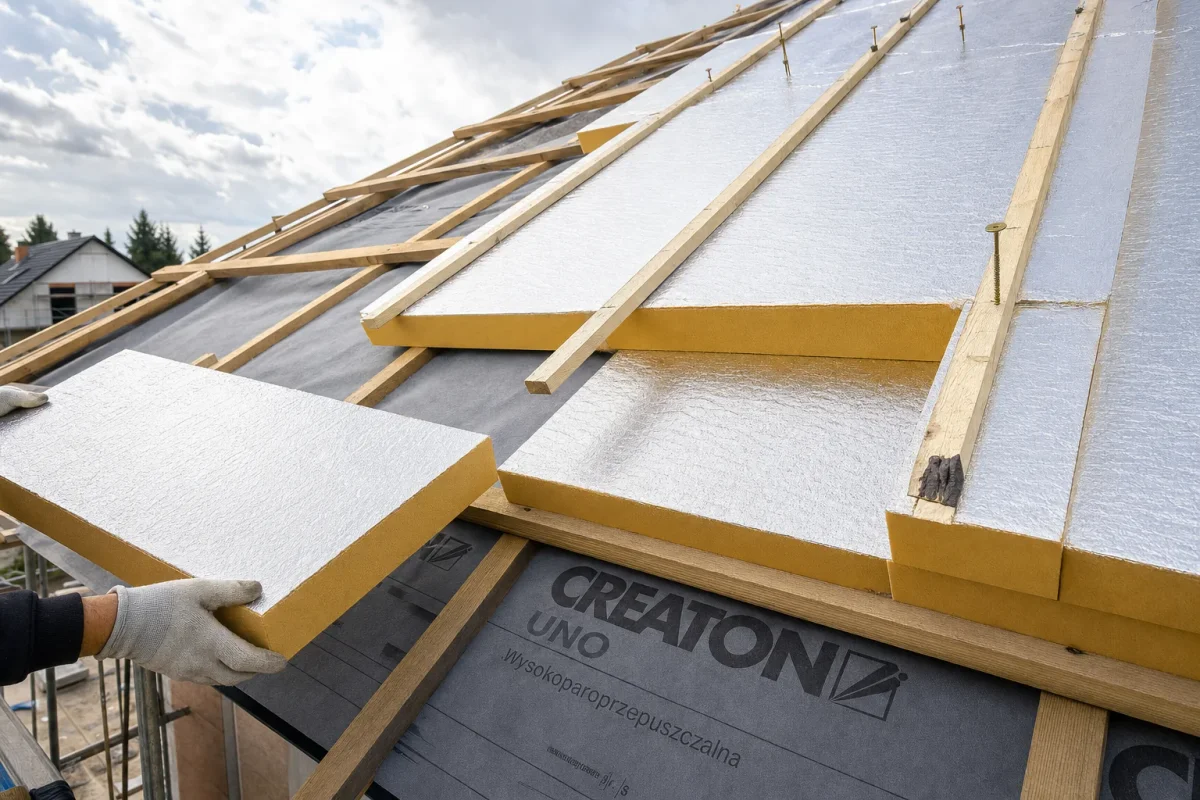
In single- and multi-family buildings, termPIR® boards are used in practically every building envelope element. Most often they go onto pitched roofs (in over-rafter or between-rafter layouts), where they eliminate thermal bridges and preserve the full usable height of the attic. Standard termPIR® AL boards (λD 0.022 W/(m·K), gas-tight aluminium facing) are available in thicknesses of 20–250 mm, in 1200×600 and 1200×2400 mm sizes, with FIT, LAP or TAG edge profiles.
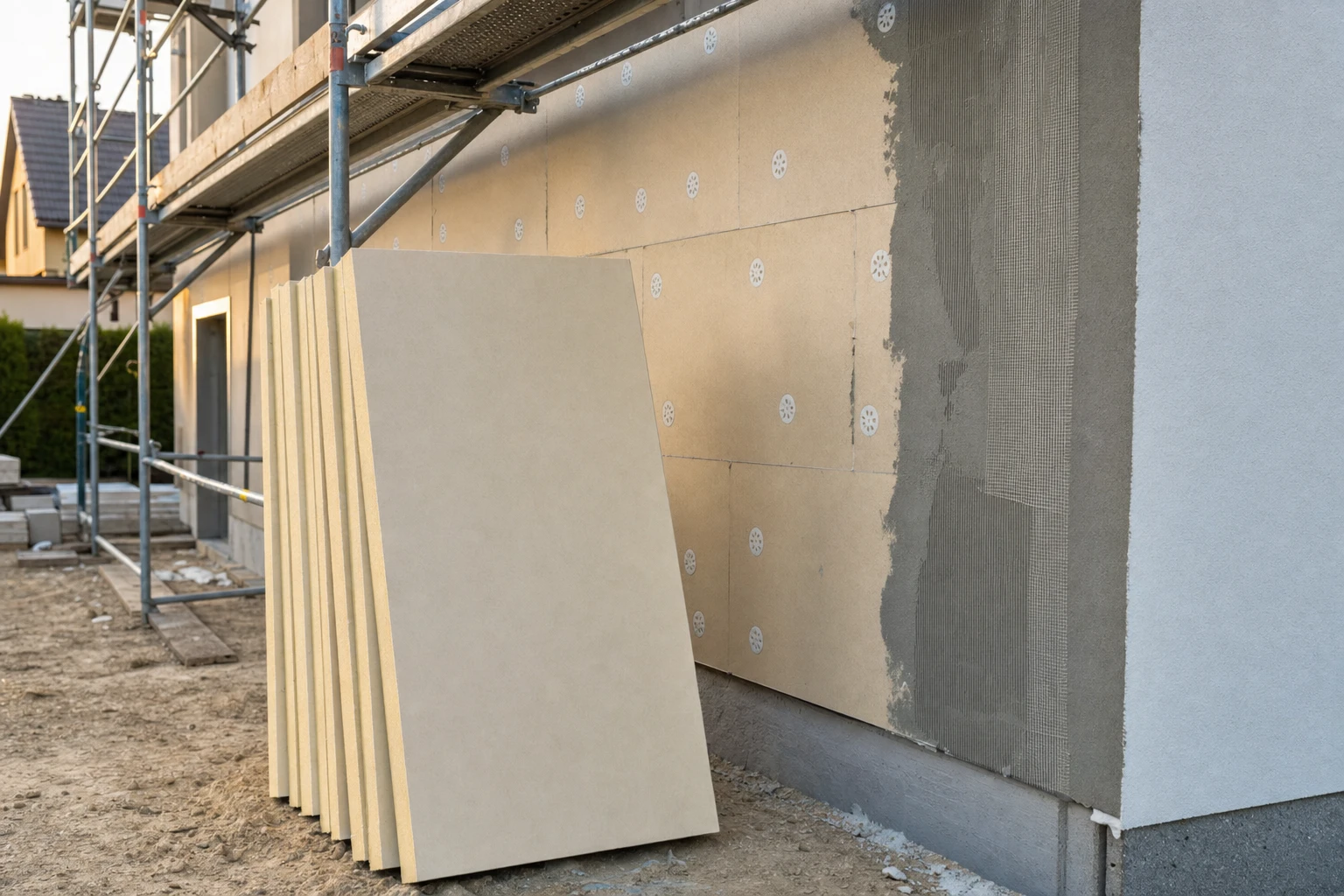
For external walls in ETICS systems, a vapour-permeable facing is required — boards with Al/PE foil must not be used. The dedicated solution is termPIR® ETX with glass fleece and European Technical Assessment ETA 17/0066, compatible with thin-coat renders. For foundations, plinths and ground-bearing floors, termPIR® WS with increased moisture resistance is used.
| Thickness [mm] | R [m²K/W] for λD 0.022 | U for assembly [W/m²K]* |
|---|---|---|
| 100 | 4.55 | ~0.21 |
| 140 | 6.36 | ~0.15 |
| 180 | 8.18 | ~0.12 |
| 220 | 10.00 | ~0.10 |
*indicative values for a typical roof structure; U depends on the full layer assembly.
For projects demanding maximum space savings, the premium termPIR® MAX 19 AL variant with λD 0.019 W/(m·K) is available.
Industrial and warehouse/logistics facilities
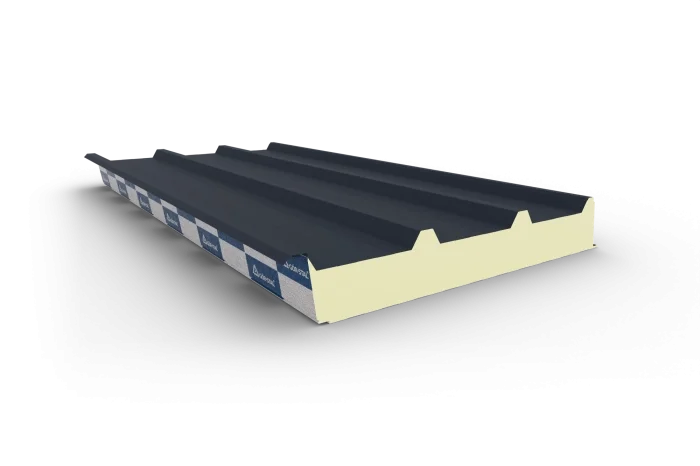
Production halls, distribution centres and logistics parks demand durable envelopes and short installation cycles. In these applications, sandwich panels are most commonly used — ready-to-install panels with a PIR core and double-sided lacquered steel facings. The insPIRe® line covers dedicated variants:
- insPIRe® S — walls with visible fastener (siding), λD 0.022 W/(m·K)
- insPIRe® U — walls with concealed fastening, aesthetic facades for office and retail buildings
- insPIRe® D — roofs of single- and multi-bay halls
- MAX variants with λD 0.019 W/(m·K) for the highest energy requirements
The system fire reaction class with steel facing is B-s1,d0 (EN 14509). For buildings requiring non-combustibility class A2-s1,d0 (escape routes, fire-separation walls), the GS MW line with a mineral wool core is available.
For flat roofs on trapezoidal sheet or reinforced concrete under PVC/TPO/EPDM membranes, termPIR® Pro-F with glass fleece is used — a system with FM Approved certification, proven in buildings with high insurance requirements. To form minimum 1.5–2% falls, izoGRASS® tapered insulation is produced in Wola Batorska near Kraków.
Cold stores, freezers and food processing
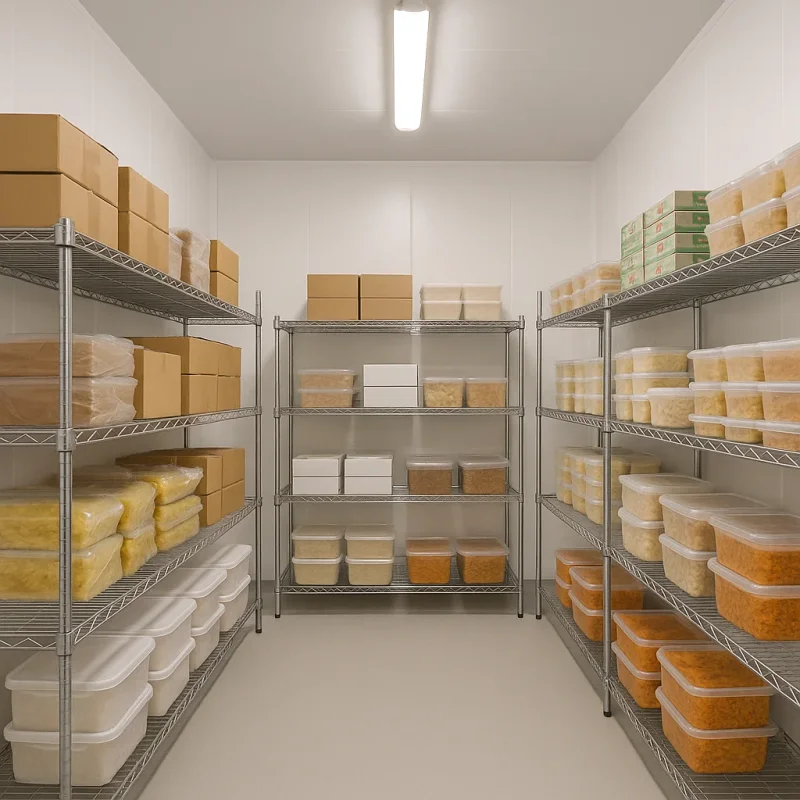
Maintaining the temperature regime (-30°C to +5°C) requires an envelope with excellent thermal tightness and PZH (Polish National Institute of Hygiene) certification. In chiller and freezer chambers we use insPIRe® CH — panels with a labyrinth joint and sealing compound eliminating thermal bridges at panel interfaces. For non-combustible walls in processing facilities, GS MW CH is an alternative.
For chamber floor insulation and traditionally masonry-built envelopes, termPIR® AGRO AL is used — see the AGRO AL cold store system. Low lambda and moisture resistance translate into measurable savings on compressor operation over the entire life cycle of the facility.
Livestock buildings — farms, piggeries, poultry houses
Cowsheds, piggeries and poultry houses are environments with high humidity, aggressive ammonia vapours and washability requirements. In these applications, selecting the right PIR variant is critical:
- Washable suspended ceilings → termPIR® AGRO AL CEIL with foil dedicated to pressure washing (standard termPIR® AL is not suitable for this application)
- Walls of precast concrete → termPIR® AGRO P-REV with a PE facing resistant to the alkaline environment of concrete
- Roofs and walls in sandwich-panel systems → panels with a lower coating resistant to NH3 and pressure washing
For farms with atmospheres classified as C4/C5 (high NH3 concentrations), the facing variant is selected individually — standard 25 µm polyester is insufficient; PVDF or Plastisol is used.
Thermal upgrade and historic buildings
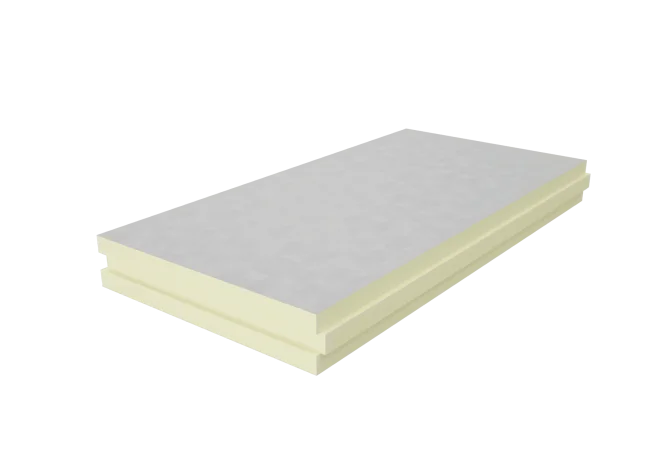
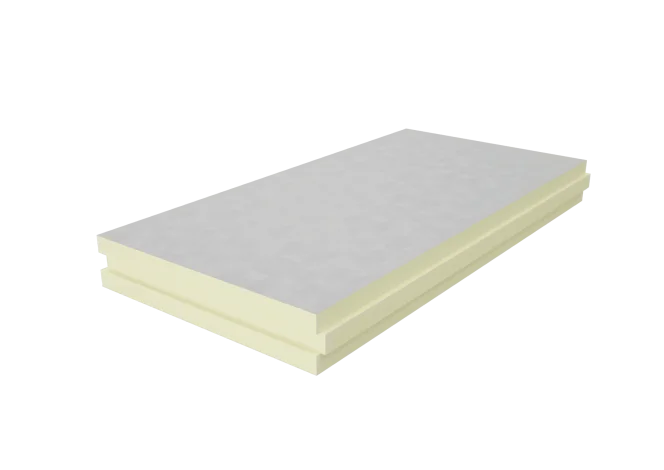
In thermal upgrades of existing buildings, PIR makes it possible to achieve the required U-value without rebuilding eaves and window sills — at 14 cm we achieve a roof U below 0.15 W/m²K. In historic buildings, where external facade retention is mandatory, internal insulation is applied with the composite termPIR® AL/GK board (PIR + gypsum plasterboard). The application requires correct vapour-barrier design — details in the historic wall termPIR® AL/GK system.
Frequently asked questions
Can PIR boards be used to insulate every part of a building?
What PIR thickness is needed to meet WT 2021?
Are PIR boards fire-resistant?
Can PIR boards be used in cold-store facilities with PZH certification?
How do I choose the right PIR variant for a specific project?
Related products and systems
Products
Read next

Energy Retrofit with PIR Boards and WT 2021 in Practice | BOKKA
Smog and Allergies — How PIR Thermal Upgrades Cut Emissions | BOKKA
Retrofitting Old Houses with PIR Boards — Energy Upgrade Guide